

Kenya: Infrastructure Acceleration Creates Industrial Openings
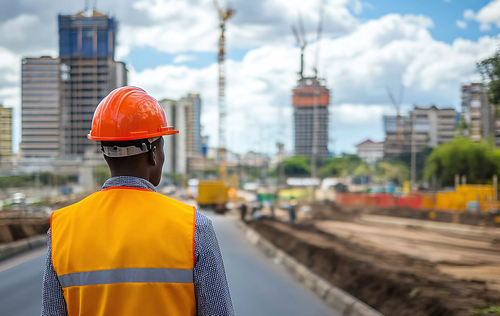
Kenya is entering a new infrastructure cycle that could reshape East Africa’s transport and energy landscape over the next decade. In 2026 alone, the government has earmarked thousands of kilometres of highways for dualling and tarmacking, confirmed extensions to the Standard Gauge Railway, advanced port modernisation plans, and reopened large sections of its upstream oil and gas acreage to investors.
For stainless steel suppliers and fabricators, this is not just a headline story about growth. It is a pipeline of technically demanding projects that require corrosion resistance, hygiene compliance, structural reliability and long service life in aggressive environments ranging from coastal marine zones to highland rainfall regions.
A Strategic Gateway Under Expansion
Kenya remains the primary logistics gateway for East Africa. The Port of Mombasa serves not only Kenya but also Uganda, Rwanda, Burundi, South Sudan and parts of the eastern DRC. Nairobi, the capital, functions as the region’s financial and commercial hub, hosting multinational headquarters and major development agencies.
With a population exceeding 54 million (2026 est.) and rapid urbanisation underway, infrastructure capacity is under sustained pressure. Transport corridors are congested. Airport facilities are operating near limits. Energy demand continues to rise alongside industrial and residential expansion.
The government’s response has been clear: build, upgrade and expand.
Expressways and National Corridors
The proposed 60 km Nairobi–Thika Expressway, branching from Museum Hill to Thika town, is designed to decongest one of the busiest commuter routes in the country. It will complement the existing Thika Superhighway and introduce modern tolling, bridge structures and traffic management systems.
The Nairobi–Mombasa Usahihi Expressway, a 525 km six-lane corridor valued at approximately USD 3.5 billion, will run parallel to the current highway and significantly reduce travel time between the capital and the coast.
Additional major projects include:
- The Nairobi - Nakuru–Mau Summit Expressway
- The JKIA - Waiyaki Way corridor upgrade
- The Isiolo - Mandera Highway under the LAPSSET programme
- Regional upgrades in Western Kenya and on Rusinga Island
From an engineering materials perspective, these projects demand durability. Kenya’s coastal belt presents saline exposure risks. The Rift Valley and highland regions experience heavy seasonal rainfall. In such conditions, stainless steel offers lifecycle advantages over coated carbon steel, particularly in:
- Expansion joints and bridge fittings
- Guardrails and pedestrian balustrades
- Drainage systems and culverts
- Tolling gantries and support structures
- Signage frameworks and fasteners
Where maintenance budgets are constrained, longer design life becomes a decisive factor.
Rail, Ports and Aviation Infrastructure
The extension of the Standard Gauge Railway from Naivasha to Kisumu, with a later phase toward Malaba, reinforces Kenya’s position in the Northern Corridor trade route. Rail infrastructure brings requirements for station architecture, handrails, cladding, service piping and sanitation systems.
Port upgrades at Mombasa and Lamu are equally significant. Marine exposure accelerates corrosion, particularly on structural elements, fasteners, walkways and fluid handling systems. Stainless steel is commonly specified for:
- Bulk handling equipment components
- Tank farm piping and storage systems
- Desalination and water treatment installations
- High-strength fasteners in exposed zones
Aviation infrastructure is also expanding. Plans to modernise Jomo Kenyatta International Airport, alongside a proposed new international airport under a PPP model, aim to position Nairobi as a leading African aviation hub.
Airports are heavy consumers of stainless steel in:
- Architectural façades and interior finishes
- Escalators, lifts and balustrades
- Commercial kitchens and food courts
- Fire protection and water reticulation systems
- Public sanitation facilities
Hygiene, durability and visual appeal all drive specification.
Energy and Oil & Gas Repositioning
Kenya is re-opening 50 redesigned oil and gas exploration blocks in 2026, primarily in the Lamu Basin, as well as in the Tertiary Rift, Anza and Mandera basins. The establishment of a National Petroleum Data Centre is intended to reduce exploration risk and attract international capital.
If exploration progresses toward development, stainless steel demand could arise in:
- Process and gathering pipelines
- Storage tanks and pressure vessels
- Offshore and coastal installations
- Produced water handling systems
- Refining and petrochemical facilities
Simultaneously, the country’s first PPP-funded electricity transmission lines, valued at over Sh40 billion, are scheduled for rollout. Substations, switchgear housings, cable trays and renewable energy installations all present applications where corrosion resistance and structural integrity are
critical.
Urban Growth and Industrial Processing
Beyond headline megaprojects, Nairobi and secondary cities such as Mombasa, Kisumu and Eldoret continue to expand. Mixed-use developments, healthcare facilities, hotels and industrial parks are under way.
Agriculture remains a core pillar of the economy. Tea, coffee, dairy and horticulture processing require hygienic, corrosion-resistant equipment. Stainless steel is widely used in:
- Dairy processing lines
- Breweries and beverage plants
- Commercial refrigeration
- Hospital equipment
- Pharmaceutical manufacturing
As compliance standards tighten and export markets demand higher hygiene levels, stainless steel becomes less of a premium option and more of a requirement.
Competitive Landscape and Entry Strategy
Kenya is cost-conscious. Asian suppliers are active in both infrastructure and industrial supply chains. However, opportunities exist for South African stainless steel fabricators who can offer:
- Certified quality and traceability
- Custom fabrication and modular systems
- Technical support during design and installation
- Faster regional delivery compared to distant imports
Strategic partnerships with local contractors and engineering firms can ease market entry. Supplying higher value components, rather than competing purely on commodity pricing, is often a more sustainable approach.
A Measured but Real Opportunity
Kenya’s infrastructure drive faces financing constraints and execution risks. Project timelines may shift. Procurement processes can be complex.
Even so, the direction of travel is clear. Transport corridors are being expanded. Energy networks are being strengthened. Urban centres are modernising.
For stainless steel producers and fabricators, Kenya represents a market where material performance matters. In marine zones, high rainfall regions and high-traffic public infrastructure, corrosion resistance and durability are not optional extras.
Kenya’s next growth phase will be built on concrete, asphalt and steel. The question for suppliers is where stainless steel can deliver the strongest technical and commercial advantage.