

From Mine Site to Export Market: How Stainless Steel is Supporting South African Mining and Industrial Growth
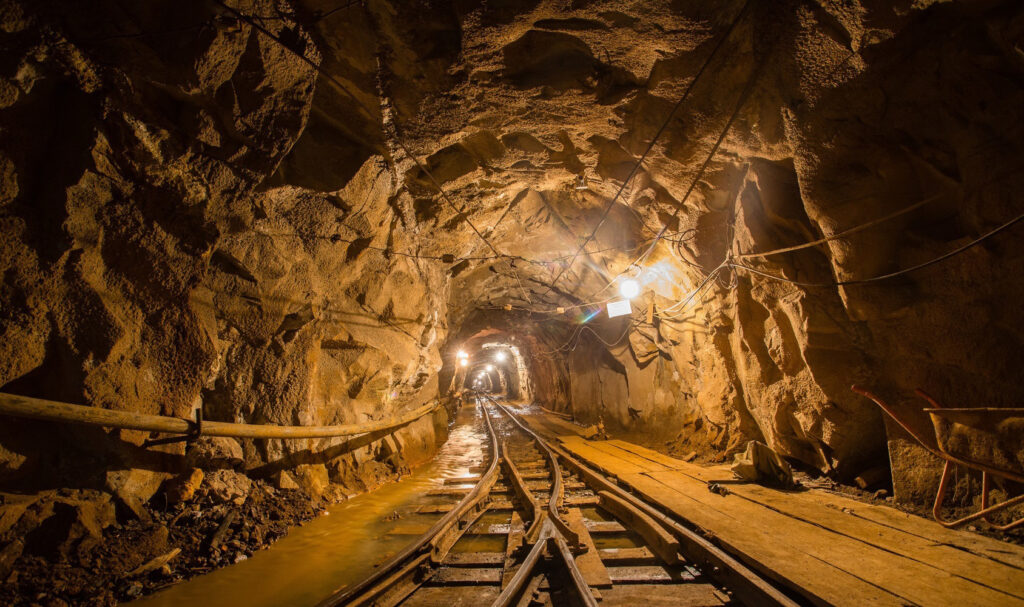
South Africa’s mining sector remains one of the country’s most strategically important industries, with operations spanning platinum group metals (PGMs), gold, chrome, manganese, coal, iron ore, and uranium. While mining continues to underpin large portions of the national economy, its influence extends far beyond raw mineral extraction.
Increasingly, the operational demands of modern mining are driving the growth of local stainless steel fabrication, engineering capability, and export potential. From slurry pipelines and flotation cells to modular process plants, underground infrastructure, and specialist wear-resistant components, stainless steel is playing an increasingly important role in supporting safer, more reliable, and more efficient mining operations.
At the same time, South African fabricators and engineering companies are leveraging decades of mining expertise to develop products and capabilities that are finding relevance both locally and internationally.
Although carbon steel still dominates many structural applications across mining, stainless steel has established itself as a key material wherever corrosion resistance, wear performance, hygiene, safety, and long-term reliability are critical.
Its use within mining is highly application specific. Stainless steel is not selected simply because it is corrosion resistant, but because it provides measurable operational value in environments where equipment failure or excessive maintenance directly impacts production continuity and operating cost.
PGMs Driving Demand and Local Capability
Platinum Group Metals (PGM) mining remains the single largest user of stainless steel in South Africa and is widely regarded as the strongest platform for stainless steel localisation and export development.
Concentrated mainly within the Bushveld Mineral Complex across Limpopo, Rustenburg, and North West Province, these operations process highly abrasive and chemically aggressive slurries under continuous operating conditions.
Typical stainless steel applications include:
- Flotation cells and thickeners
- Slurry pipelines and launders
- Pump casings, impellers, and shafts
- Acid and reagent tanks
- Tailings and return-water systems
The severe combination of abrasion, chlorides, acidic conditions, and moisture creates an environment where conventional materials deteriorate rapidly. Downtime in concentrator plants is extremely costly, making reliability a major operational priority.
Since concentrator plants are highly site-specific, many components must also be custom designed and fabricated locally. This creates significant opportunities for South African engineering and manufacturing companies.
Areas where local capability already exists include:
- Pipe spooling and modular skid fabrication
- Heavy-duty process equipment manufacturing
- Stainless steel plate work and tank fabrication
- On-site installation and maintenance services
Many industry participants view PGMs as the anchor commodity capable of supporting a broader export-oriented stainless steel fabrication industry.
Common stainless steel grades used in PGM operations include:
- 304 / 304L for general plant equipment
- 316 / 316L for improved chloride and acid resistance
- 3CR12 for cost-effective corrosion resistance
- Duplex 2205 for high-pressure pipelines and aggressive duties
Export potential is also increasing as neighbouring mining economies such as Zimbabwe, Botswana, Namibia, Zambia, and the Democratic Republic of Congo continue expanding mineral processing capacity.
Gold Mining Supporting Specialist Expertise
South Africa’s deep-level gold mining sector presents a different set of challenges due to its extensive underground infrastructure, heat, humidity, acidic mine water, and chemically aggressive processing conditions.
Stainless steel plays an important role in supporting both safety and long-term infrastructure integrity underground.
Typical applications include:
- Dewatering systems and pump stations
- Underground service-water and cooling pipelines
- Cyanide leach tanks and piping
- Carbon-in-leach (CIL) and carbon-in-pulp (CIP) circuits
- Underground walkways, ladders, and handrails
These demanding operating conditions have also allowed South African manufacturers to develop specialised expertise in:
- Underground piping systems
- Modular pump stations
- Safety-critical fabricated components
- Refurbishment programmes for ageing mines
Export opportunities exist for complete underground infrastructure packages, dewatering systems, and specialist stainless fabrications. Markets such as Ghana, Mali, and Tanzania are increasingly relevant because of expanding underground gold mining operations.
South Africa’s decades of deep-level mining experience remain a major differentiator in international markets.
Typical grades specified in gold mining include:
- 304 / 304L for structural and general services
- 316 / 316L in acidic and cyanide environments
- 3CR12 for underground infrastructure and piping
For deep-level operations, long service life and reduced maintenance are critical operational advantages.
Chrome Mining Balancing Abrasion and Corrosion
Chrome mining shares many similarities with PGM processing due to the abrasive nature of chrome slurries and wet processing systems.
Reliability remains essential because most chrome concentrators operate continuously with limited tolerance for shutdowns.
Stainless steel applications include:
- Concentrator plants
- Slurry pipelines
- Spiral concentrators and launders
- Pump components
- Tailings infrastructure
The combination of abrasion and corrosion creates severe wear conditions, particularly in wet handling areas. Chrome mining also creates opportunities for larger-scale repetitive fabrication work, allowing local manufacturers to benefit from economies of scale.
Typical fabrication opportunities include:
- Pipe fittings and slurry systems
- Modular plant components
- Wear-resistant replacement components
Potential export markets include Zimbabwe, India, Turkey, and Kazakhstan, where chrome processing infrastructure continues to expand.
Frequently used stainless steel grades include:
- 3CR12 for abrasion resistance and cost efficiency
- 304 and 316 in more corrosive areas
- Duplex stainless steels for high-pressure duties
Manganese Mining Creating Niche Opportunities
Manganese mining operations in the Northern Cape expose materials to exceptionally abrasive conditions where impact wear and wet processing environments combine to accelerate material failure.
Key stainless steel applications include:
- Ore chutes and transfer points
- Screens and feeders
- Wet processing systems
- Slurry-exposed plant components
One advantage of certain stainless steels is their ability to work-harden under impact, improving wear resistance over time.
These operations also create specialised fabrication opportunities for products such as:
- Chutes and hopper liners
- Transfer systems
- Wet screens and feeders
- Retrofit wear components
Although export volumes may be smaller, niche opportunities exist in countries such as Gabon, Brazil, and Australia where similar mining conditions are encountered.
Commonly specified grades include:
- 3CR12 in abrasive general service areas
- 304 and 316 in corrosive processing zones
The primary objective is extending wear life in applications where carbon steel would deteriorate rapidly.
Coal Mining Supporting Processing Infrastructure
Although stainless steel use in coal mining is comparatively lower than in PGMs or gold, it still plays an important role in maintaining operational reliability within processing plants.
Typical applications include:
- Dense medium separation (DMS) plants
- Slurry pipelines and pumps
- Screens and centrifuges
- Water treatment systems
Coal washing circuits operate under abrasive wet conditions where corrosion resistance directly improves equipment life and plant uptime.
Coal mining also supports larger-scale repetitive fabrication opportunities, particularly in:
- DMS plant modules
- Slurry handling systems
- Modular process components
- Water treatment infrastructure
In these sectors, South Africa’s advantage lies not necessarily in exporting mining hardware itself, but in exporting processing technology and modular plant solutions.
Common grades include:
- 304 and 316 in acidic environments
- 3CR12 in abrasive service conditions
Iron Ore and Uranium Requiring Strategic Material Selection
Iron ore mining presents a less chemically aggressive environment, meaning stainless steel use is more targeted rather than widespread. Carbon steel still dominates large structural applications.
Stainless steel is typically used in:
- Wet transfer points
- Chutes and hoppers
- Feeders and screens
- Water-handling systems
These are areas where moisture and abrasion combine to accelerate corrosion and wear.
Iron ore mining also supports hybrid fabrication skills involving stainless and carbon steel combinations, particularly in liners, transfer points, and water-handling systems.
Preferred grades include:
- 3CR12 for durability and cost efficiency
- 304 in selective plant applications
Uranium extraction, often linked to gold mining operations, represents one of the most demanding environments for stainless steel.
Applications include:
- Acid leaching circuits
- Solvent extraction systems
- Process tanks and pipework
Highly acidic and radioactive conditions require materials capable of maintaining long-term integrity and contamination control.
Typical grades include:
- 316L
- Higher-alloy austenitic stainless steels
- Duplex stainless steels
South Africa’s Competitive Advantage
South Africa’s stainless steel industry has developed several competitive advantages through decades of mining involvement.
Key strengths include:
- Expertise in utility ferritic grades such as 3CR12
- Advanced duplex stainless steel fabrication capability
- Strong modularisation and skid fabrication experience
- Proven installation and maintenance expertise
Mines increasingly favour pre-fabricated modular systems that can be transported and installed quickly. This trend creates strong export potential for South African fabricators capable of delivering engineered “bolt-on” solutions into African and international mining markets.
Beyond manufacturing itself, long-term service contracts linked to installation, commissioning, maintenance, and replacement programmes may become equally valuable export opportunities.
Lifecycle Performance Driving Material Decisions
Across all mining sectors, one trend is becoming increasingly clear: mining companies are evaluating materials based on total lifecycle performance rather than upfront purchase price alone.
Key reasons stainless steel continues to grow in mining include:
- Reduced maintenance requirements
- Improved corrosion resistance
- Longer service life
- Improved operational safety
- Lower downtime costs
- Better reliability in remote operations
As operational pressures continue to increase, stainless steel is expected to play an even larger role in supporting safer, more reliable, and more sustainable mining operations.
At the same time, South Africa’s stainless steel fabrication sector is well positioned to leverage its mining experience into broader regional and international engineering markets.