

Building a Stronger Future for South Africa’s Stainless Steel Industry
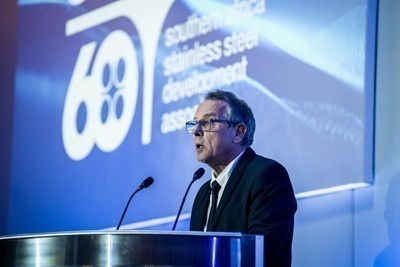
During a recent Sassda Main Committee meeting, we reflected extensively on the future direction of South Africa’s stainless steel industry and the strategic interventions required to strengthen local manufacturing capability in an increasingly competitive global environment.
A recurring theme throughout these discussions was localisation and the role it can play in rebuilding industrial capability, supporting local manufacturers and positioning South Africa’s stainless steel sector more competitively for future growth.
In this issue of the magazine, readers will therefore notice several articles focused on localisation initiatives currently being explored across sectors such as hollowware manufacturing, food processing equipment, packaging systems and specialised industrial components. Together, these projects reflect a broader strategic drive aimed at strengthening local value addition and creating more sustainable industrial opportunities for the future.
Strengthened capacity
However, the reality is that South Africa’s stainless steel industry continues to operate within a challenging environment shaped by slow economic growth, rising global competition, de-industrialisation pressures and changing international trade dynamics. Yet despite these realities, I remain convinced that significant opportunities still exist if we are prepared to adapt, collaborate and think differently about growth.
At Sassda, much of our focus during 2025 therefore involved preparing for this next phase by strengthening our internal capabilities, expanding our technical support structures and aligning our activities more closely with the strategic priorities identified earlier this year.
One of the biggest realities we have had to confront is that the South African market alone is simply not large enough to sustain long-term growth for the local stainless steel industry. While localisation and stimulating local demand remain critically important, we also need to position ourselves far more aggressively towards export markets and regional manufacturing opportunities.
This shift in thinking is already influencing many of the projects and initiatives we are currently driving. A strong example is the hollowware initiative currently under investigation in partnership with automotive manufacturers in the Eastern Cape. As the global transition towards electric vehicles disrupts traditional automotive component manufacturing, several local companies with advanced presswork capability are now looking to diversify into new manufacturing sectors.
At the same time, South Africa imports more than 20 000 t of hollowware products annually, much of it at customs values that raise serious concerns regarding dumping and unfair competition. If we can successfully localise even a portion of this market, the potential benefits for local stainless steel consumption, industrial capability and job creation could be substantial.
Significant local expertise
These projects reinforce an important point. South Africa still possesses significant technical expertise, manufacturing skill and industrial capability. In many cases, the challenge is not a lack of ability but rather creating the right environment for local manufacturers to compete fairly and participate more effectively within global supply chains. This is why issues such as anti-dumping measures, localisation support and technical competitiveness remain so important.
At the same time, we also recognise that long-term competitiveness increasingly depends on technical compliance, certification and operational excellence. As a result, Sassda has expanded its consultancy and technical support services to assist members with welding quality systems, ISO 3834 implementation, ISO 9000 pre-audits and broader quality assurance support.
The response from industry has been encouraging, with growing recognition that international customers expect manufacturers to demonstrate not only technical capability, but also internationally recognised systems, standards and process discipline. We have also expanded our technical knowledge base significantly through the development of new publications and practical guidance documents covering coastal applications, mining applications and architectural stainless steel use. These initiatives are aimed at strengthening industry knowledge while helping prevent avoidable failures caused not by the stainless steel material itself, but by poor fabrication practices or incorrect application.
Alongside this, Sassda is strengthening its market intelligence capability and expanding its communication footprint across Africa. Our planned African market newsletter will provide members with improved access to project information, regional opportunities and market intelligence outside South Africa.
Ultimately, the future of the South African stainless steel industry will depend on our ability to remain resilient, adaptable and globally competitive. There are undoubtedly challenges ahead. Funding pressures, de-industrialisation and low-cost imports remain significant concerns. However, there are also clear opportunities emerging around localisation, regional manufacturing support, export growth and technical specialisation.
At Sassda, we remain optimistic about the future of the industry. The key now is to continue building momentum, strengthening collaboration and positioning South African stainless steel manufacturers to compete successfully both locally and internationally.
Michel Basson, Sassda Executive Director